
Solar Subsidy NZ 2026: What Solar Grants and Incentives Can You Actually Get?
There is no cash solar subsidy in NZ in 2026. No federal rebate, no per-kilowatt grant, nothing that lands in your bank account the week the panels go up. What New Zealand does have is arguably more useful over a 25 year system life: green home loans at 0 to 1 percent, power company buy-back rates that pay you monthly, and a 20 percent instant tax deduction for businesses. Used together, they bring a fully installed system down to something most Kiwi households can fund out of what they already pay their power company each month.
Below is every solar grant, subsidy and incentive currently available to New Zealand homeowners and businesses, what each one is worth, and what a real system costs once you factor them in.
Solar Subsidy NZ in 2026: What Support Actually Exists
New Zealand's approach is finance and export revenue rather than cash grants. Three mechanisms do the work:
| Support mechanism | What it is worth | Who qualifies |
|---|---|---|
| Green home loans | Up to $80,000 at 0 to 1% p.a. | Homeowners with equity at a participating bank |
| Power company buy-back | 8 to 17 cents per kWh exported | Any grid-connected solar owner |
| Investment Boost tax deduction | 20% of system cost, deducted immediately | NZ businesses and farms |
A worked example: a 7kW system at $10,899 installed, funded on a 1 percent green loan, costs roughly $180 to $190 a month over 5 years. If that system removes $130 to $150 a month from your power bill and earns another $20 to $30 in export credits, the loan is close to self funding from day one, and after the loan ends the generation is free.
Green Home Loans: The Closest Thing to a Solar Subsidy in New Zealand
Every major New Zealand bank now runs a sustainability lending product. These are not personal loans with a green sticker on them; the rates are deliberately below market, which is exactly how a subsidy works in practice, delivered through the banking system instead of through Inland Revenue.
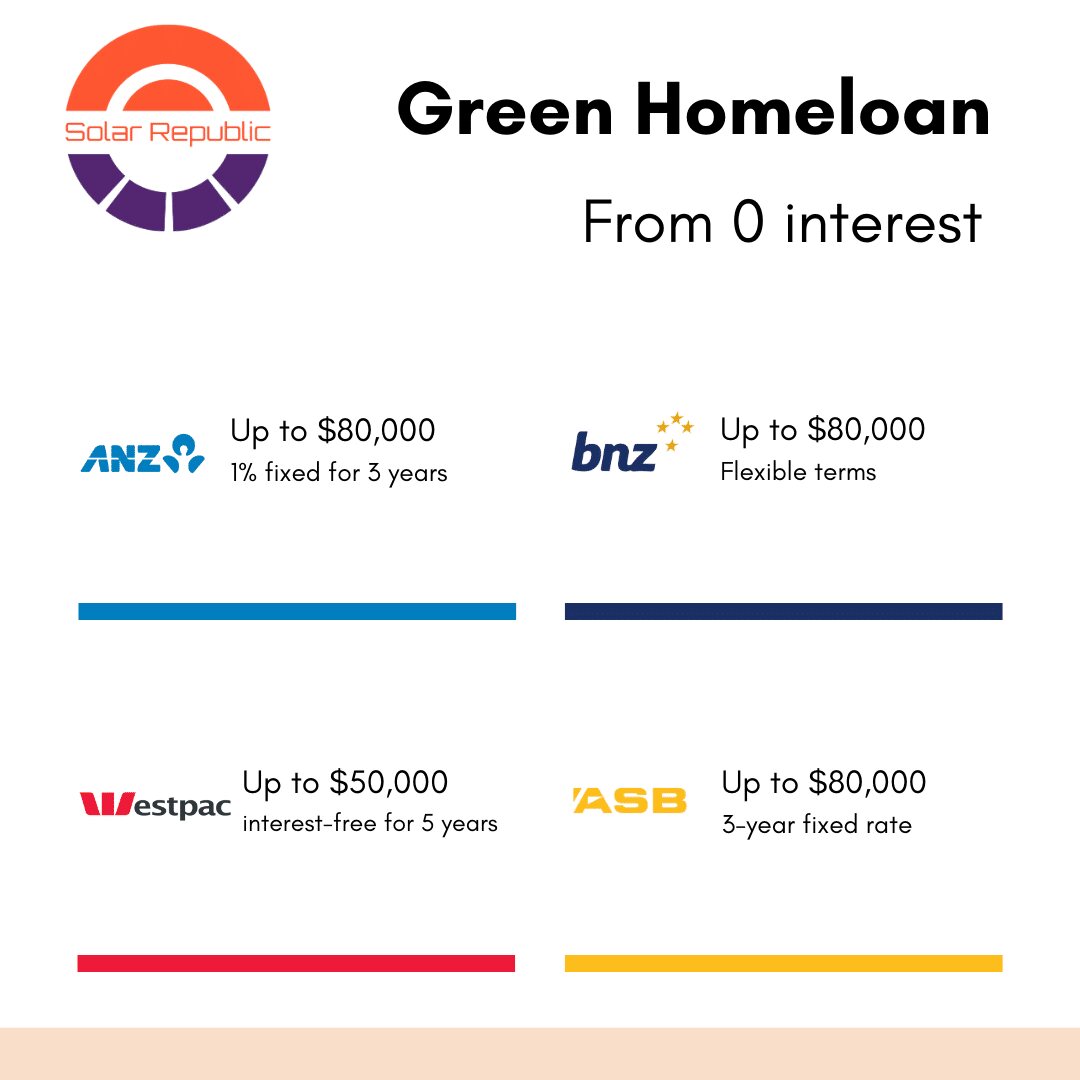
| Bank and product | Maximum amount | Rate and term | Notes |
|---|---|---|---|
| ANZ Good Energy Home Loan | $80,000 | 1.00% p.a. fixed for 3 years | Solar plus other eco upgrades |
| ASB Better Homes Top Up | $80,000 | Discounted, fixed 3 years | Needs equity plus an installer quote |
| BNZ Green Home Loan Top-Up | $80,000 | 1.00% p.a. fixed for 3 years | Solar, insulation, heating and EVs |
| Kiwibank Sustainable Energy Loan | $2,000 | Over 4 years, no fee | Existing home loan customers only |
| Westpac Greater Choices Home Loan | $50,000 | Interest free for 5 years | No establishment fees |
| Q Mastercard and Q Card | Varies by limit | Consumer finance terms | No mortgage needed |
Because these loans are secured against your home rather than the panels, they do not touch your KiwiSaver, and the repayment is usually structured to sit inside the gap the solar system opens up in your power bill. We build finance ready quotes for exactly this reason, and our solar finance options page walks through the paperwork each bank asks for.
- Westpac's interest free period is the cheapest money in the market if your system lands under $50,000, which covers every residential package.
- ANZ and BNZ suit larger jobs, a system plus a battery, or solar bundled with insulation and heating in one upgrade.
- Get the quote before you apply. Every bank wants an itemised installer quote, not an estimate, before it will approve the drawdown.
Solar Buy-Back Rates: The Incentive That Pays You Every Month
The second pillar of the solar incentives available in NZ is export revenue. Any electricity your panels generate that your household does not use flows back into the grid, and your retailer credits you for it. Rates are set by the retailer rather than by government, so they vary widely, and switching retailer is often worth more than a few hundred dollars a year on a 10kW system.
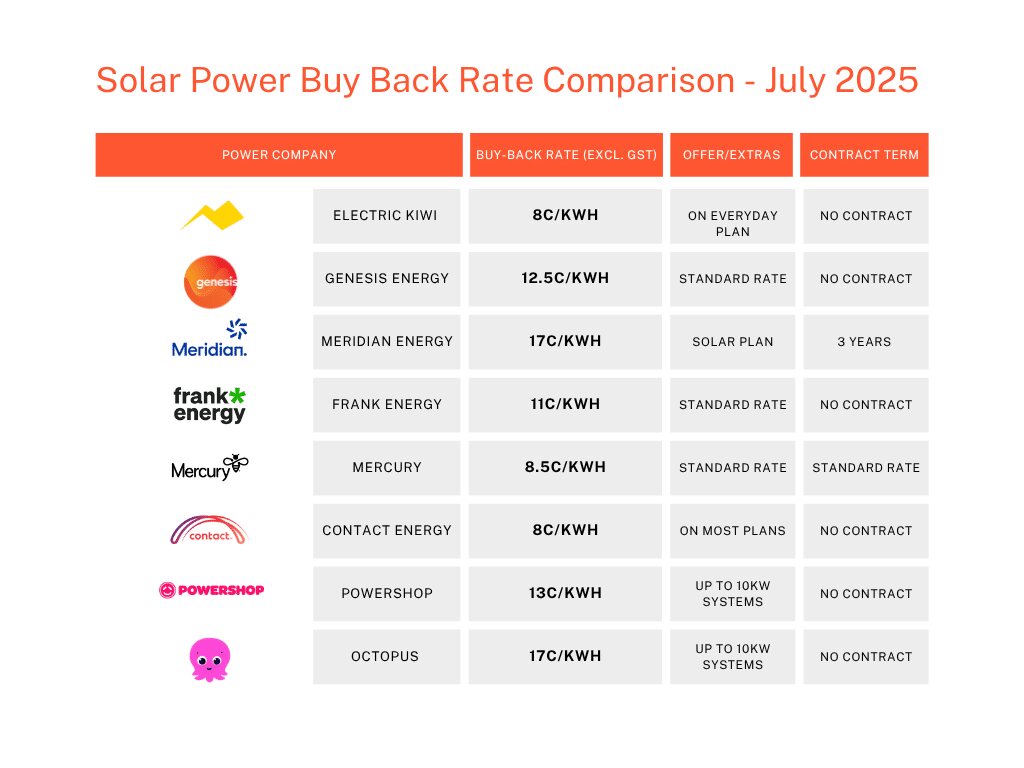
We keep a current comparison of every major retailer on our solar buy-back rate page, including which plans pair a high export rate with a low daily charge, because a headline buy-back rate on an expensive plan can leave you worse off overall.
Solar Grants and Incentives for NZ Businesses: The 20 Percent Investment Boost
For commercial solar, New Zealand does have something close to a direct incentive. The Investment Boost initiative, announced in May 2025 and administered by Inland Revenue, lets a business immediately deduct 20 percent of the cost of new eligible assets, and commercial solar power systems qualify.
In practice that means a business installing solar claims back 20 percent of the system cost in the same financial year, on top of the standard annual depreciation it would claim anyway. It applies to business use assets only, so a residential rooftop does not qualify, and it is claimed in the year the asset is acquired and put to use. For current eligibility dates and asset definitions, read the IRD's official Investment Boost page or check with your accountant before you commit.
The effect on payback is substantial. On our 184kW commercial installation in Auckland, 420 panels generate an estimated 235,000 to 255,000 kWh a year and save the business $60,000 to $70,000 annually at $0.26 per kWh, for a payback period of 4.5 to 6 years before the tax deduction is applied.
How Much Does Solar Cost in NZ in 2026?
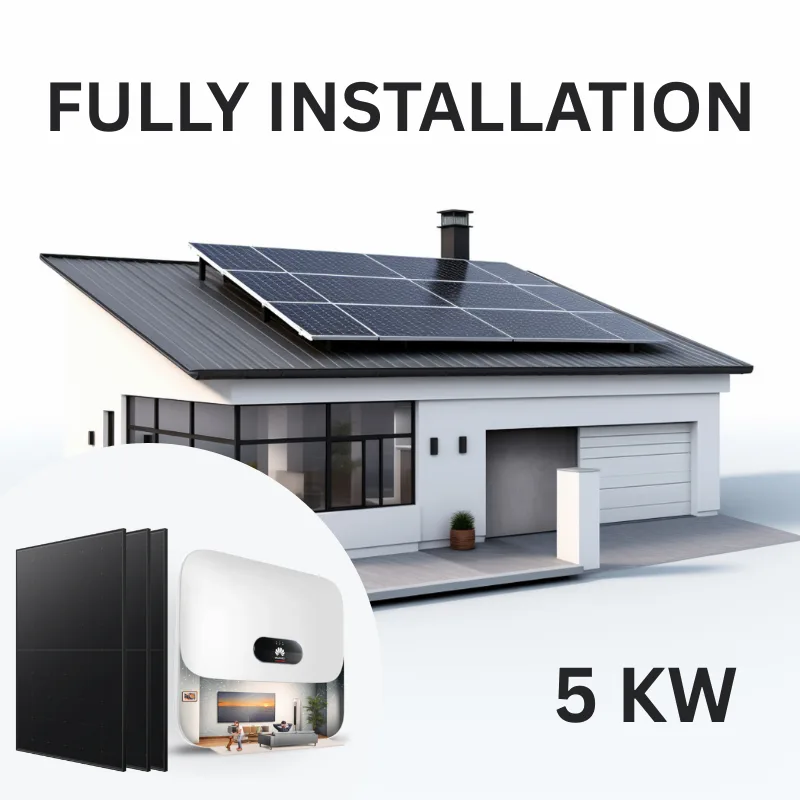
This is the question the subsidy question is really hiding behind. A fully installed residential system in New Zealand runs from roughly $8,000 to $16,000 depending on size, roof type and whether you add storage. Our own packages are fixed price and include installation by our in-house team, so there is no quote lottery:
| Package | Price installed, incl. GST | Panels | Inverter | Typical fit |
|---|---|---|---|---|
| 5kW home solar package | $8,999 | 12 | 5kW hybrid | Smaller homes, 1 to 3 people |
| 7kW home solar package | $10,899 | 16 | 6kW hybrid | Family homes, heat pump and hot water |
| 10kW home solar package | $14,999 | 22 | 10kW hybrid | Larger homes, EV, pool, battery ready |
Our Three Home Solar Packages
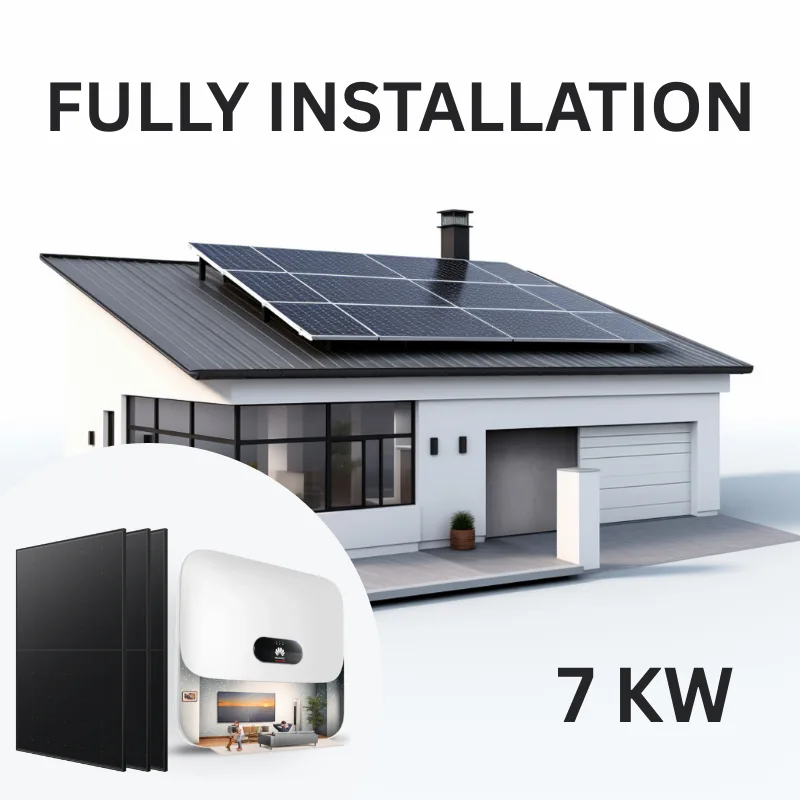
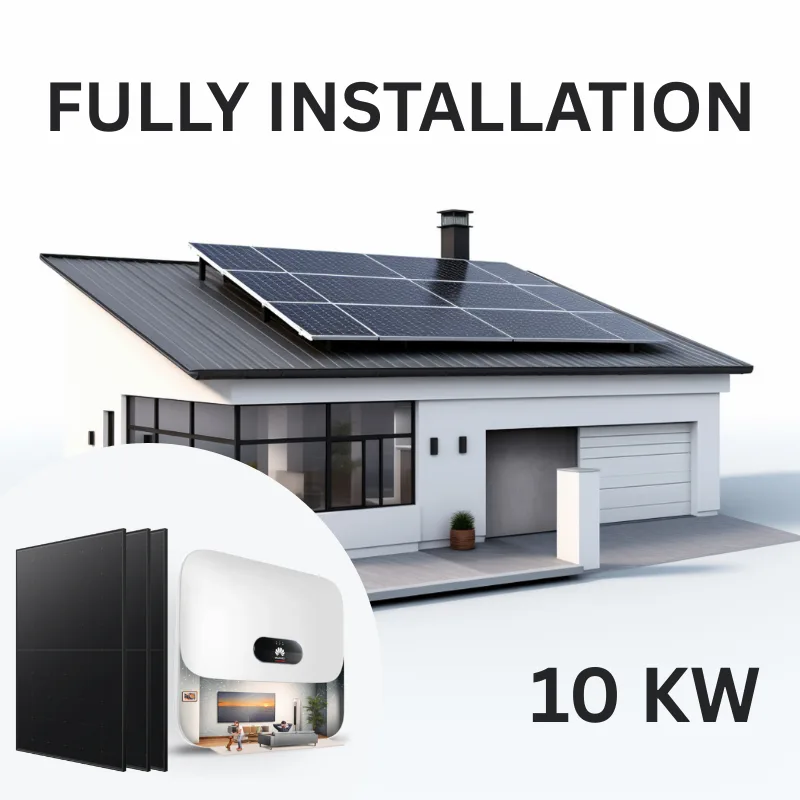
Payback depends on how much of your own generation you use rather than export. On our 10kW installation in Auckland Central, a home with heating, hot water and EV charging running through the day produces 13,000 to 14,500 kWh a year and saves $3,200 to $3,800, for a 6 to 8 year payback. A household that is out all day and exports most of its generation sits at the longer end of that range, which is why the free on-site assessment matters more than any online calculator. If you want to go deeper on pricing, we compare the three sizes in detail in our guide to the best solar deals in NZ for Auckland homes.
- Budget $8,999 to $14,999 for a fully installed residential system, with no hidden extras for standard roof types.
- Fund it on a green loan and your monthly repayment is usually close to the bill reduction, so the cash flow impact is near zero.
- Self-consumption drives payback. Shifting hot water, dishwasher and EV charging to daylight hours is worth more than an extra panel.
Solar Subsidy NZ Compared With Australian Solar Rebates
It is no secret that Australia runs one of the strongest solar support programmes in the world, and it is the main reason New Zealanders assume a rebate must exist here too. Through the Small-scale Renewable Energy Scheme, Australian households can stack several payments:
| Australian incentive | Typical value |
|---|---|
| Federal SRES rebate | $2,000 to $3,000 on average |
| Federal battery rebate, July 2025 | Up to $3,300 |
| Victoria state rebate | $1,400 plus interest free loan |
| South Australia battery subsidy | $2,000 |
| New South Wales storage incentive | Up to $2,400 |
That layered approach has given Australia the highest per capita solar adoption rate in the world. New Zealand has taken the cheaper policy route of subsidised credit instead, and while we are all hoping a similar grant scheme arrives here, there is no announced programme to wait for. The honest comparison is that on a typical $11,000 residential system, five years of interest free or 1 percent lending is worth broadly the same order of magnitude as a single Australian federal rebate, it just arrives as cheaper money over time rather than as a cheque at installation. The support is real; you have to go to a bank for it rather than to a government portal.
Recent Solar Projects Across New Zealand
These are three of our most recent residential installations, all grid-tied, all designed around the household's own usage pattern rather than a default panel count.
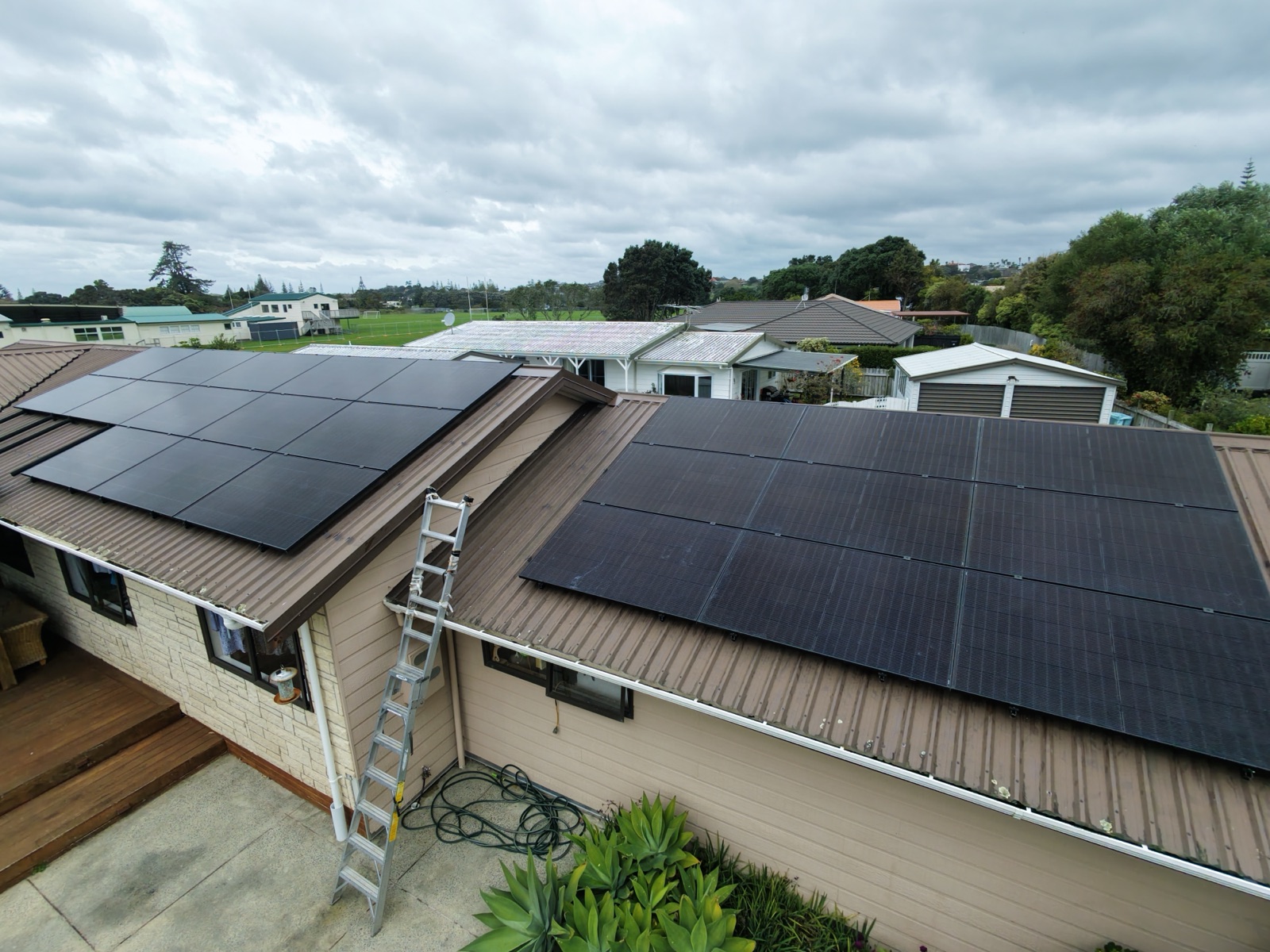
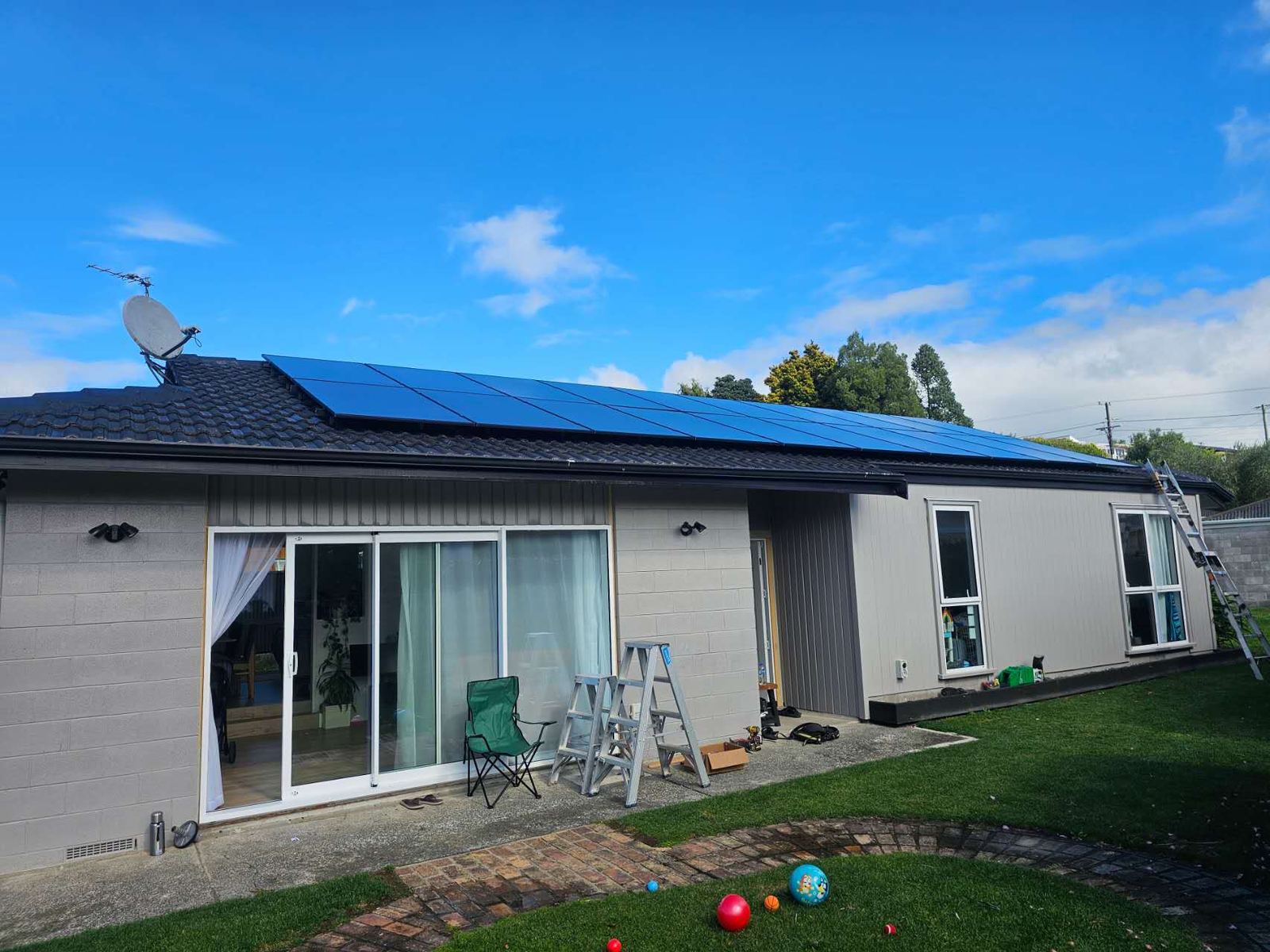
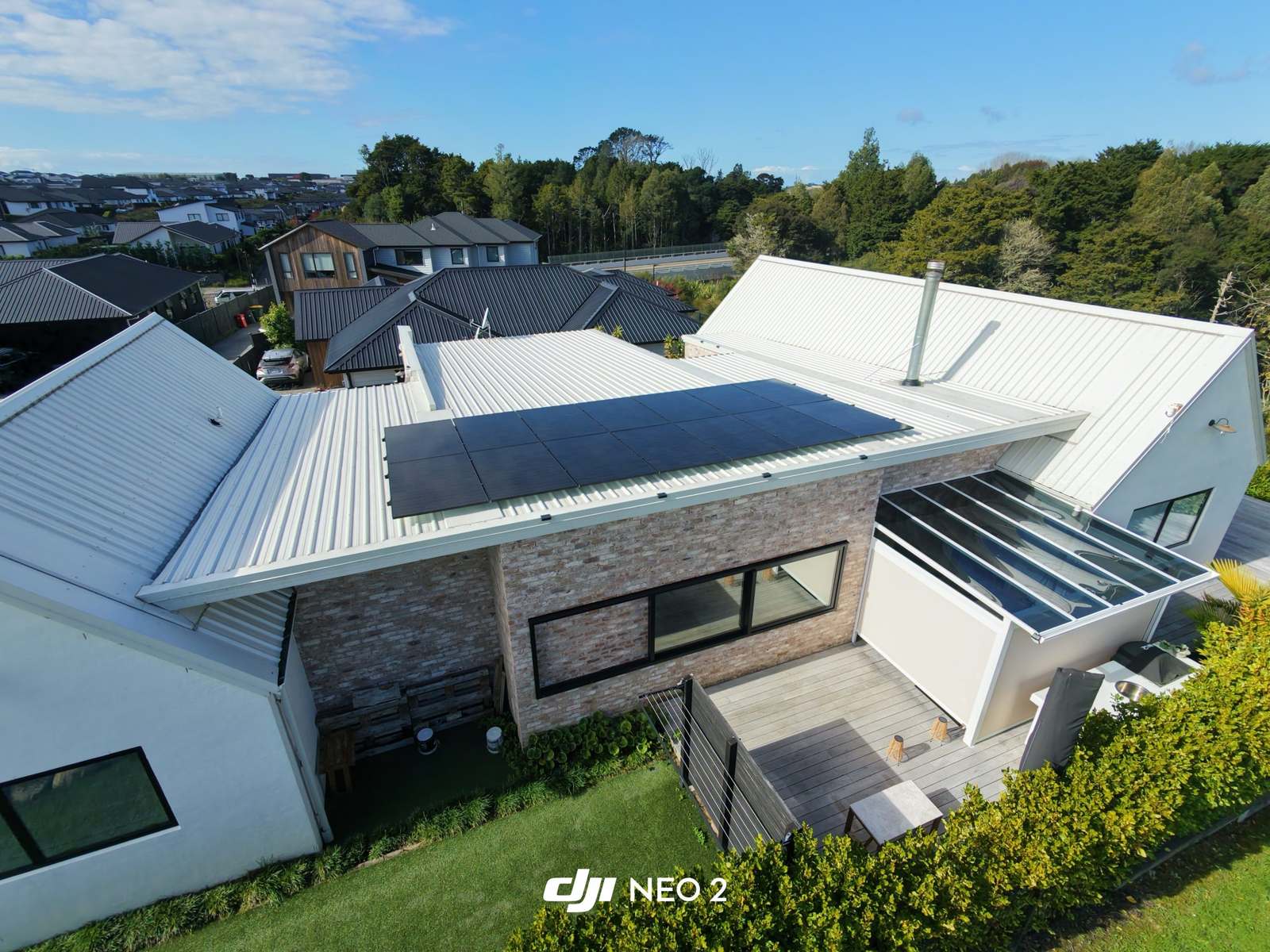
Browse all completed solar projects, including systems in Whangarei, Hamilton and our 184kW commercial installation in Auckland.
Why 2026 Is the Right Time to Go Solar in NZ
Waiting for a New Zealand solar grant that has not been announced costs you a year of generation. With electricity prices continuing to climb across the country, the arithmetic already works without a solar subsidy, and here is what we actually see on our customers' bills:
- Monthly power bill savings of $100 to $150 on a typical family home.
- Annual savings of $1,200 or more, higher again where daytime usage is strong.
- Faster return on investment when a battery is included and evening load shifts off the grid.
Pair that with a 1 percent or 0 percent loan and you are effectively swapping a power bill for a solar loan, then keeping the generation for the remaining twenty years. Unlike your power bill, the cost of your home solar power system does not rise every winter.
Why Work With Solar Republic
We are not a lead broker passing your details to a subcontractor. Installation is done by our own in-house team, and the assessment that sizes your system is free and specific to your roof, your shading and your usage profile. You also get full help with finance ready quotes and navigating whichever bank's green loan fits your situation, which is the part most homeowners find hardest about accessing the solar grants and incentives available in New Zealand.
Solar Subsidy NZ: Frequently Asked Questions
Is there a government solar subsidy in NZ in 2026?
No. New Zealand does not offer a cash rebate or per-kilowatt grant for solar panels. Support comes through subsidised green home loans from the major banks, buy-back payments from power companies, and a 20 percent Investment Boost tax deduction for business systems.
What solar grants and incentives can I actually apply for as a homeowner?
The practical options are a green home loan or top-up at 0 to 1 percent from ANZ, ASB, BNZ, Kiwibank or Westpac, and choosing a retailer with a strong buy-back rate. Both are worth thousands over the life of the system, and you can use them together.
How much does solar cost in NZ after finance?
Our fully installed packages are $8,999 for approximately 5kW, $10,899 for approximately 7kW and $14,999 for approximately 10kW, all including GST. On a five year interest free loan, a 7kW system is roughly $180 to $190 a month, which for most households is close to the amount it removes from the power bill.
Can a New Zealand business claim solar as a tax deduction?
Yes. Under the Investment Boost initiative, a business can immediately deduct 20 percent of the cost of a new commercial solar system in the year it is acquired and used, on top of normal depreciation. Residential systems do not qualify. Confirm current eligibility with IRD or your accountant.
Do power companies pay me for the solar power I export?
Yes. Grid-connected solar owners receive a credit for exported electricity, typically in the range of 8 to 17 cents per kWh depending on the retailer and plan. Because rates and daily charges vary, comparing plans is often worth several hundred dollars a year.
Find Out What You Would Actually Save
The only number that matters is yours: your roof, your usage, your retailer's buy-back rate, and which green loan you qualify for. The assessment is free and there is no obligation.
Get your free solar assessment and quote, or compare our 5kW, 7kW and 10kW home solar packages first.