Home/Solar Farm
Farm Energy SolutionSolar Power for Farms
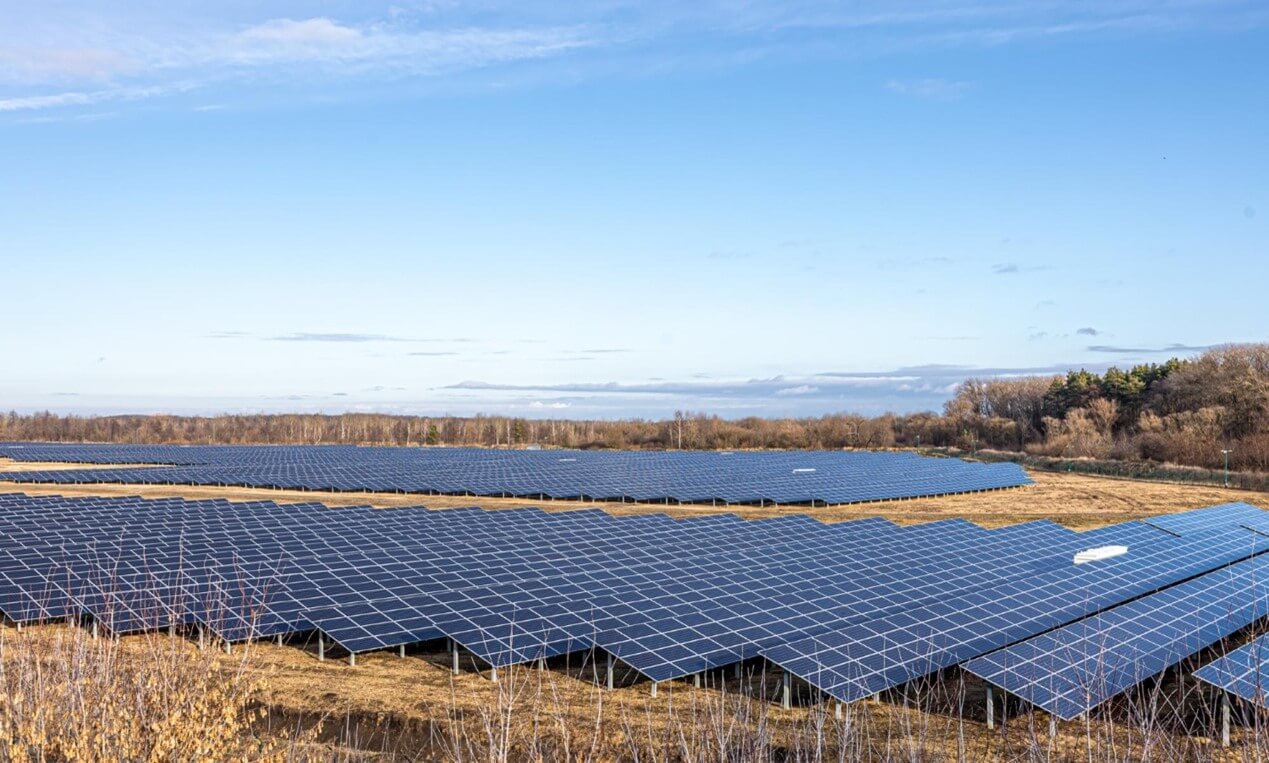
Solar power can help you save big on energy and taxes. We design, supply and install ground-mount and rooftop systems for New Zealand farms and agribusinesses.
What we do
Consultation and assessment
We walk the site, look at your load profile across irrigation, sheds and refrigeration, and tell you what is worth building.
Design and project development
Layout, structural and electrical design, network approval and construction management, handled end to end.
Handover and after sales care
Commissioning, monitoring setup, performance reporting and ongoing maintenance support.
IRD Investment Boost: deduct 20% of your solar investment upfront
Effective 22 May 2025, Investment Boost enables businesses to immediately deduct 20% of the cost of new assets, including solar systems, from their taxable income. This upfront deduction is on top of the standard annual depreciation, helping businesses reduce tax liabilities, enhance cash flow and speed up return on investment.
Why go solar for your farm
Lower costs
Offset high energy bills from irrigation, milking sheds, refrigeration and machinery with free solar power.
Energy independence
Reduce reliance on the grid and protect your farm from rising electricity prices and power outages.
Tax and financial incentives
Take advantage of government schemes like Investment Boost: deduct 20% upfront plus ongoing depreciation.
Sustainable farming
Helps reduce your farm's carbon footprint, positioning you as an environmentally responsible producer.
Solar farm FAQ
01. How much land do I need, and what type of terrain is best for a solar farm?
To develop a viable solar farm, a minimum of 5 hectares is generally recommended. This allows enough space for the solar panels to be positioned efficiently with the necessary spacing between rows for optimal performance and future expansion.
The best sites are flat, open, and receive plenty of direct sunlight throughout the day. Uneven or heavily shaded land can reduce system efficiency and increase installation complexity.
In addition to the panels, the land must also accommodate supporting infrastructure like inverters, transformers, and access paths for regular maintenance and servicing. Having a clear, accessible layout helps ensure long-term performance and lower operational costs.
02. Can solar farms and animals share the land?
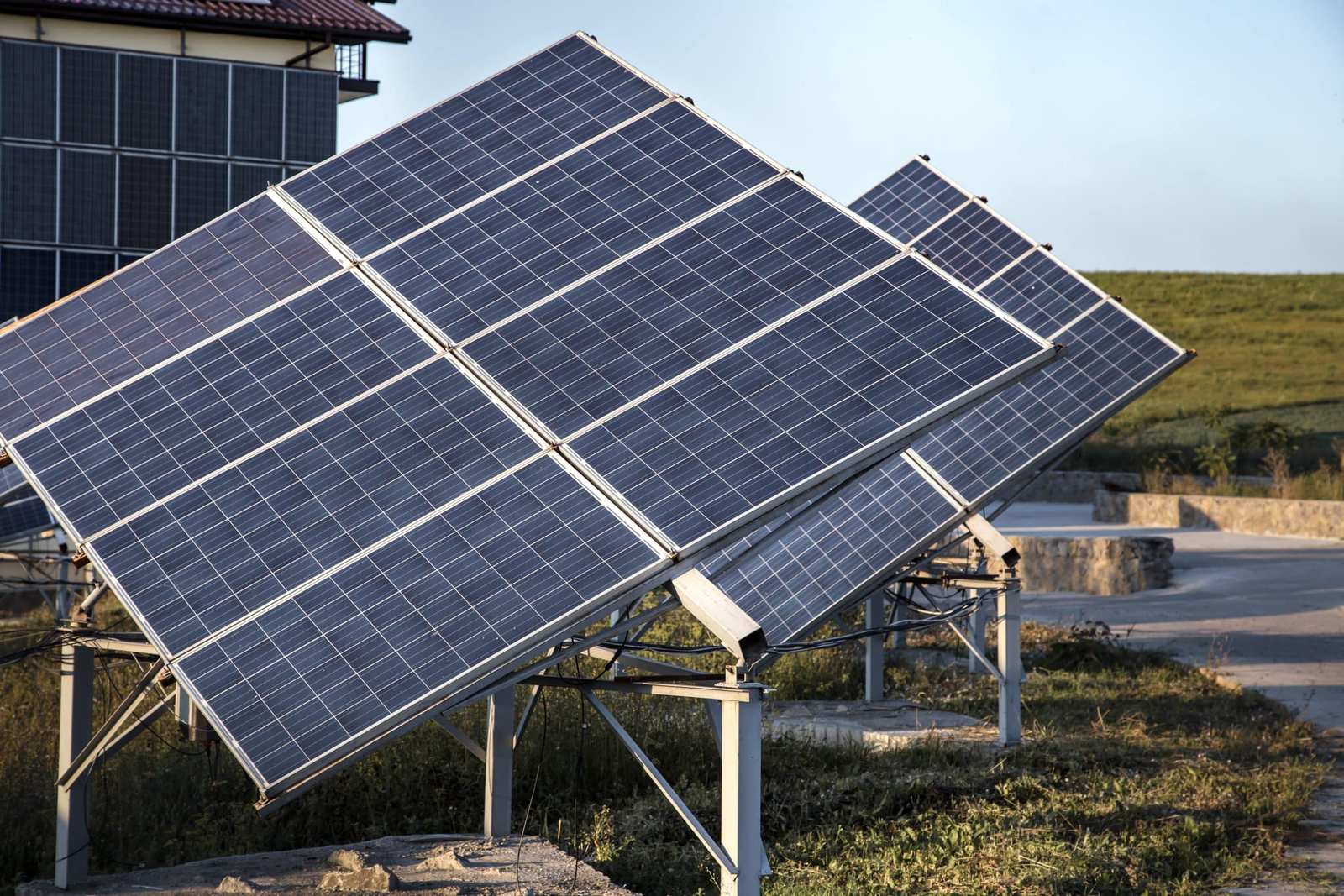
Yes, they can. Smaller animals like sheep, goats, chickens and pigs are great for grazing around solar panels. They help control weeds and grass naturally, so there is less need for mowing or chemicals.
Cows are a bit different. Adult cattle can damage the panels, but younger or smaller ones might be okay if the panels are installed higher off the ground.
It is a win-win: animals get shade and farmers get extra grazing space, while the solar farm stays well-maintained.
03. What benefits can a solar farm offer landowners?
A solar farm can provide landowners with a steady income, while also making use of low-productivity or unused land. Many sites can support dual-purpose farming, allowing animals such as sheep, goats or poultry to graze around the panels. Some shade-tolerant crops may also benefit from the partial cover, growing with less water and enjoying longer seasons. Additionally, in some regions, land used for renewable energy projects may qualify for tax incentives, making it a practical way to generate reliable revenue while keeping the land productive.
04. Will the shadow from solar panels damage my soil?
In fact, the partial shading can be beneficial for many plants. It helps keep the soil cooler during hot days, reduces water evaporation and maintains warmth at night. Farmers often find that shade-tolerant crops thrive under these conditions, with some even experiencing longer growing seasons and lower water requirements.
Ready for your farm project?
What to send us
- Your farm address, so we can look at the land and the roof space available.
- A recent electricity invoice, ideally one covering an irrigation month.
- Whether you are looking at rooftop, ground-mount, or a full solar farm development.
- Any plans for expansion, new sheds or electrification of machinery.
Rural finance
ASB's Smart Solar Loan for rural property offers up to $150,000 over 5 years at a 0% rate. See our finance page for the full list of green lending options available to New Zealand landowners.