
At Solar Republic, we hear the same frustration all the time: “I’ve tried everything to reduce power bill—I switch off lights, I unplug chargers—but the bill still hurts.”
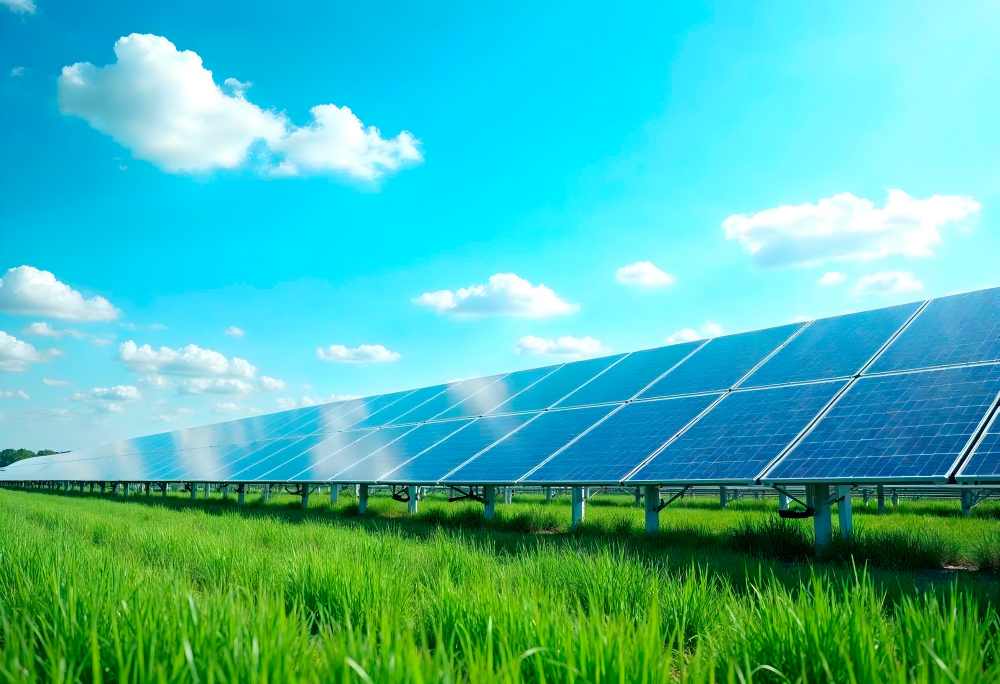
Here’s the truth: those small habits help, but the biggest savings come from the quiet power drains most people miss (hot water, heating/cooling settings, dryers, fridges) — and from one long-term move that changes the game: installing a home solar power system that lets you generate your own electricity.
Below are real, practical power saving tips on how to save power at home, plus the Solar Republic approach to getting even bigger results with solar in New Zealand
1) Quick wins: power saving tips you can do today
Heating & cooling (usually the biggest bill driver)
- Set AC to 24–26°C; heating to 18–20°C
- Use ceiling fans: summer counterclockwise, winter clockwise (low speed)
- Use fans + raise AC temp 1–2°C
- Close doors to unused rooms (manual zoning)
- Use Dry/Dehumidify mode in humid weather
- Clean AC/heat pump filters monthly
- Keep outdoor unit clear of leaves/dust
- Seal drafts: door snakes, weather stripping, window seals
- Close curtains/blinds on hot afternoons; open in winter sun
- Add thermal curtains or honeycomb blinds
- Shade west-facing windows (external shade is best)
- Use a timer/schedule so AC/heater isn’t running when asleep/away
- Don’t place heaters near thermostat sensor
- Use heated blanket/throw (often cheaper than heating the whole room)
- Wear layers + socks indoors in winter
- In summer: cool shower + fan before turning AC on
- Keep internal doors closed when heating/cooling
- Use rugs on cold floors to feel warmer at lower heating settings
- Fix gaps around exhaust fans, pipe holes, vents
- Use door closers for rooms that never stay shut
- Don’t block vents with furniture
- Don’t heat/cool with windows open “just a bit”
- Use eco mode (test—sometimes it helps a lot)
- Service HVAC regularly
- If ducted: close vents in empty rooms only if system allows
Hot water (big saver with small habits)
- Shorten showers by 2–5 minutes
- Use a low-flow showerhead
- Turn hot tap off while shaving/soaping
- Wash clothes in cold water
- Fix dripping hot taps immediately
- Lower water heater temp (follow safe guidance)
- Put hot water on a timer (only if suitable)
- Insulate hot water pipes
- Don’t run hot water until “super hot” for handwashing
- Use cold rinse cycles where possible
- Use dishwasher eco + air-dry (skip heated dry)
- Heat only the water you need (kettle efficiency)
- Don’t leave immersion/boost mode on
- If you have a recirculation pump: schedule it, don’t run 24/7
Lighting (fast, easy wins)
- Swap every bulb to LED
- Turn off lights when leaving rooms
- Use task lighting instead of whole-room lighting
- Use motion sensors in hallway/bathroom/laundry
- Use dimmers (especially living areas)
- Clean light fixtures (dust reduces brightness)
- Use daylight: open blinds, mirrors, lighter wall colours
- Put outdoor lights on timers or motion sensors
- Avoid decorative lights running all evening
Fridge & freezer (24/7 energy users)
- Set fridge to 3–5°C, freezer to -15 to -18°C
- Check door seals (paper test)
- Clean coils/vents
- Leave space behind for airflow
- Keep fridge reasonably full (don’t block vents)
- Let hot food cool before storing
- Defrost if ice builds up (non-frost-free)
- Don’t stand with door open deciding what to eat
- Keep freezer organised
- Keep a water jug in fridge to reduce door openings
- Avoid placing fridge near heat sources
- If you have a second fridge/freezer: switch it off if not essential
Laundry (huge savings if you reduce dryer use)
- Wash cold
- Wash full loads
- Use high spin speed
- Air-dry whenever possible
- If using dryer: clean lint filter every cycle
- Dry similar fabrics together
- Use sensor dry instead of timed
- Don’t over-dry
- Shake clothes before hanging
- Use dryer balls
- Run laundry off-peak if your plan has it
Dishwasher (easy habits)
- Run full loads
- Use eco mode
- Skip pre-rinse (scrape instead)
- Air-dry (open door at end)
- Clean the filter
- Avoid “extra hot” unless needed
Cooking (small wins that add up)
- Use microwave for reheating (often cheaper than oven)
- Use air fryer for small batches
- Use slow cooker/pressure cooker
- Use lids on pots
- Match pot size to burner size
- Turn stove off early and use residual heat
- Batch cook
- Don’t open oven door repeatedly
- Use oven fan mode if it cooks faster
- Preheat only when necessary
- Boil only the water you need in the kettle
- Toast small items in toaster not oven
- Keep burners clean
- Consider induction if you upgrade
Electronics & standby power (the sneaky bill inflator)
- Use a switched power board for TV/console/soundbar/set-top box
- Turn off consoles fully (not “instant on”)
- Enable power saving mode on TV/console/PC
- Unplug chargers when not charging
- Don’t leave devices “always ready”
- Turn off printer at the wall
- Use smart plugs to shut down automatically overnight
- Lower TV brightness and disable vivid mode
- Turn off Wi-Fi boosters overnight if not needed
- Use laptop instead of desktop when possible
- Put monitors to sleep in 5–10 minutes
- Turn off second monitor when not needed
- Avoid streaming in the background all day
- Use headphones instead of powering big speakers
- Charge devices together, then switch the power board off
Internet / networking
- Put modem/router on a timer if you don’t need it overnight
- Reboot occasionally
- Keep router ventilated
Bathroom & grooming appliances
- Don’t leave heated towel rails on all day
- Use hairdryer on lower heat setting when possible
- Unplug straighteners/curlers after use
- Use bathroom exhaust fan only as long as needed
- Clean exhaust fan dust
Home office tips
- Use a laptop dock setup
- Lower screen brightness
- Use dark mode (small savings on some screens)
- Put PC to sleep when idle
- Disable wake on LAN if not needed
- Turn off speakers/amps after work
- Use natural light
- Print less
2) The most powerful way to reduce power bill long-term: install a home solar system
Once you’ve cut waste, the next step isn’t just “more tips.” It’s changing how your home is powered.
A home solar power system can dramatically reduce how much electricity you need to buy from the grid—especially when you pair it with smart everyday habits. That’s why we position solar as a path to lower energy costs and greater energy independence in New Zealand.
3) Solar power system at Solar Republic
3.1 How a solar power system reduces power bill
A solar power system reduces your power bill in two main ways:
- Self-consumption:you use the free electricity your panels generate during daylight hours — so you buy less from your retailer.
- Exporting:any unused solar power can be exported back to the grid (often for a buy-back rate).
If you’re aiming to reduce power bill costs as much as possible, self-consumption is the priority — because electricity you generate and use yourself is usually more valuable than what you export.
EECA estimates solar can save the average NZ home $1,000+ per year, depending on usage and system design.
3.2 Ways to reduce power bill by using solar smarter (load shifting)
This is where most households unlock the “real” savings.
What to do: run high-usage appliances when the sun is producing:
- Dishwasher
- Washing machine
- Heat pump (warm the house earlier)
- Dehumidifier
- EV charging (if applicable)
Why it works: solar only generates during the day — shifting usage increases self-consumption.
Easy upgrades:
- Timers on appliances
- Smart plugs for simple scheduling
3.3 System design that actually saves (what to get right)
People hesitate on solar because they worry about getting the “wrong system.” That’s valid — design matters.
What to get right:
- Correct sizing:average NZ household uses about 7,000 kWh/year; higher usage often benefits more (but patterns matter).
- Daytime usage profile:if you’re home during the day (or can schedule appliances), solar becomes even more valuable.
- Shading + layout:panels need clear sun; shading reduces output.
- Monitoring:track generation and spot issues early.
3.4 Maintenance & performance
What to do: keep an eye on output using your monitoring app and address drops quickly.
Why it works: solar savings come from consistent generation — monitoring makes performance visible and controllable.
3.5 Battery storage (optional but powerful)
A battery stores excess solar for evening use — great for households with high night-time demand.
When a battery makes sense:
- You use most power at night
- You want more independence
- You want to maximise self-consumption
3.6 Tariffs & buy-back: choosing a plan that matches solar
Your plan matters more than most people realise:
- Compare import rates, export/buy-back rates, and time-of-use options.
- NZ is moving toward wider availability of time-of-use plans, expected for most New Zealanders by 1 July 2026.
4) Solar Republic home solar options
If you want the biggest long-term improvement—not just small savings—solar is the most direct way to cut how much electricity you purchase.
Our residential packages are designed as all-in-one, fully installed options with clear sizing for real household bills.
5kW Home Solar System (12 panels + 5kW hybrid inverter) — from $8,999 incl. GST
Ideal for: medium-sized households with a monthly power bill around $150.
Includes: hybrid inverter, 12 high-efficiency panels, mounting hardware, standard electrical/safety materials, grid connection consent application, meter upgrade coordination, compliance documents, and end-to-end project management.
Installation T&Cs (summary): within 50km of Auckland CBD, single-storey home, iron/metal roof, roof pitch ≤25°.
Warranties: panels 25-year manufacturer + 15-year performance; inverter 10-year.
7kW Home Solar System (16 panels + 6kW hybrid inverter) — $10,899 incl. GST
Ideal for: medium-to-large households with a monthly power bill around $200.
Includes: the same all-in-one service approach and installation T&Cs as above.
10kW Home Solar System (22 panels + 10kW hybrid inverter) — $14,999 incl. GST
Ideal for: large households with monthly power bills above $250.
Includes: full service, and designed to be battery-ready for future upgrades.
5) Conclusion
Next steps with Solar Republic:
- Get a free solar power system quote(sized for your home + usage pattern)
- Book a solar savings assessment (so you know your likely real-world savings)
- Download a home power-saving checklist (so you can start saving immediately)
If you’re looking for ways to reduce power bill costs in New Zealand, start with the quick power saving tips — but don’t stop there. The biggest step-change comes from a solar power system: generate your own electricity, use it during the day, and buy less from the grid.